How to Turn an Image File into a Clickable Link
Learn how to turn a image file into a link with our step-by-step guide. Discover the simple process to make your images clickable.
Have you ever struggled to share a photo or graphic without creating a massive email attachment or a confusing cloud storage link?
Visual content is the lifeblood of the modern web. Yet, sharing those visuals stored on your computer can feel clunky. The solution lies in creating a clickable link for your picture, a process that is often faster when combined with proper image optimization.
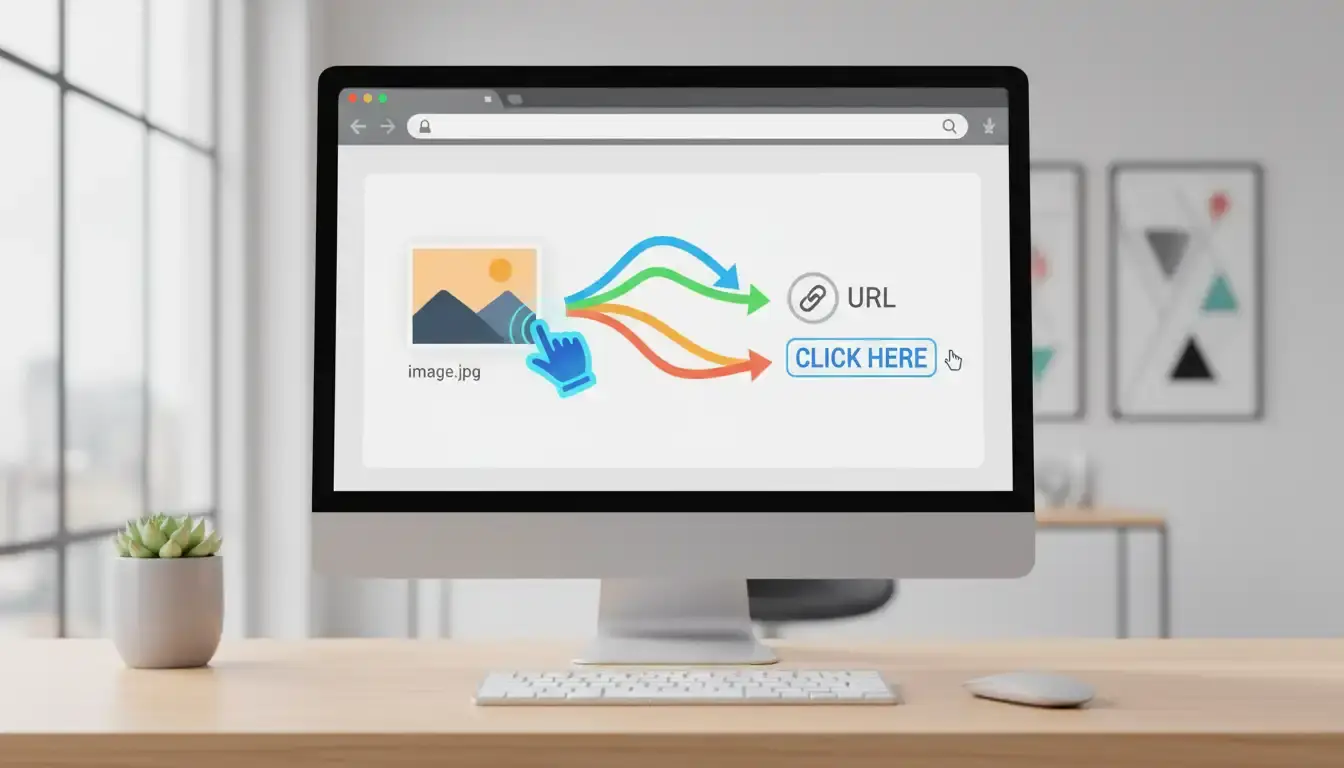
An image URL is a unique web address pointing directly to your visual file. Paste it into any browser, and the picture appears instantly. This simple process transforms your local files into accessible web assets.
This skill is invaluable. For personal use, share family photos or screenshots quickly. For professional work, bloggers and marketers embed these URLs into websites and presentations. It ensures visuals display correctly everywhere.
You will discover that mastering this technique requires no advanced coding. You just need an internet connection and the right guidance. This article provides the complete process to unlock new possibilities for your visual content.
Understanding the Basics of Clickable Image Links
The magic behind instantly viewable online pictures lies in their unique web addresses. This technology transforms your local files into globally accessible content. Mastering these fundamentals opens up new possibilities for visual communication.
What Is an Image URL?
An image URL serves as the digital street address for your visual content. It points directly to where your picture lives on the internet. When someone enters this address into their browser, the image appears immediately.
Think of it as the permanent online location for your photos and graphics. The file might start on your computer, but uploading creates its web presence. This url becomes the bridge between your device and the worldwide web.
The Benefits of Making Your Images Clickable
Clickable images offer tremendous advantages for personal and professional use. You can share vacation photos or creative projects without large email attachments. Friends simply click the link to view your visual content instantly.
For business purposes, these image url connections are essential tools. They allow consistent branding across websites and social media platforms. You maintain control while providing seamless access to your visual assets.
The efficiency of this sharing method benefits all users. Updates to the original file automatically reflect everywhere the url appears. This streamlined approach saves time and ensures consistency across all your digital platforms.
Preparing Your Image for Upload and Sharing
Getting your picture ready for the internet is a crucial first step toward creating a functional image link. Proper preparation ensures your visual content looks professional and loads quickly for everyone.
Choosing the Right Image File
Start by selecting the correct file from your computer. Consider its final use. Is it for a website banner or a social media post?
Common web-friendly formats are your best choice. Use JPEG for photographs. The PNG format works well for graphics needing transparency. Simple animations often use GIF.
Your selection directly impacts how your visual media appears online. The right format preserves quality.
Optimizing Image Quality for Web Use
Balance is essential. You want clear visuals without huge file sizes. Large files slow down loading times.
Check the dimensions and resolution before you begin the upload process. Crop out unnecessary areas. Resize the picture to fit its intended display space.
Use basic editing tools to reduce the file size. This optimization does not have to hurt visual quality. It makes your urls perform better on all devices.
This careful preparation sets a strong foundation for successful hosting and sharing. Your pictures will display correctly across different platforms.
Step-by-Step Process: how top turn a image file into a link
The practical steps to create a clickable link for your picture are straightforward and require no special software. This process centers on moving your visual content from a local drive to an online server.
Once there, the platform provides the unique address needed for sharing. Following these instructions ensures your visuals are ready for the web.
Uploading Your Image to a Hosting Platform
Your first step is selecting a reliable hosting service. Popular choices include Imgur, Google Drive, and Dropbox.
Navigate to the service's website and locate the upload function. You can often drag your picture directly into the browser window.
After you select the file, the server processes it. This action generates a permanent web address for your visual content.
Copying and Testing the Generated URL
Once the upload is complete, find the generated URL. Look for options labeled "Direct Link" or "Share Link."
Carefully copy the entire address. It should include the "https://" prefix and the file extension.
Paste this new link into a fresh browser tab to test it. This crucial verification step confirms that your picture displays correctly and has proper access for viewers.
For services like Google Drive, ensure sharing settings are set to "Anyone with the link." This prevents permission errors when others try to view your content.
Exploring Image Hosting Options and Tools
Different hosting solutions offer varying levels of control over your visual content's online presence. Your selection depends on your specific needs for reliability, privacy, and long-term access.
Free Hosting Services and Their Features
Free image platforms like Imgur and PostImage provide immediate solutions for casual sharing. These services require no account creation or payment.
You can upload files quickly using simple drag-and-drop tools. The system generates shareable urls within seconds. This approach works well for temporary sharing needs.
However, free hosting often comes with limitations. Your images may undergo compression or face storage restrictions. Privacy controls are typically basic on these platforms.
Benefits of Using Your Own Web Server
Hosting media on your personal server gives you complete authority over your files. You maintain permanent control of all generated urls and access permissions.
This method ensures your links never expire due to third-party policy changes. You can organize files systematically and manage bandwidth allocation effectively.
Professional hosting tools offer advanced features for serious users. These include password protection, analytics, and custom domain integration for your website.
Conclusion
You've now unlocked the key to seamless visual content distribution across all your online platforms. This skill transforms how you handle digital media and share your work with others.
Creating effective image url connections provides reliable access to your visual assets. Whether for personal photos or professional website materials, these links ensure consistent presentation.
The process empowers you to choose the right hosting solution for your needs. From casual sharing to organized content management systems, you have flexible options.
For businesses dealing with numerous files, Digital Asset Management platforms offer advanced organization. They maintain url reliability while securing your brand assets.
If you have additional questions about optimizing your workflow, explore platform-specific resources. Your newfound expertise in image link creation will serve all your digital communication needs.
FAQ
What is an image URL?
An image URL is a web address that points directly to your picture file on a server. Think of it as a digital home for your photo online. Anyone with this link can view the image in their browser. You need this specific address to create a clickable link from your file.
Why should I make my images clickable?
Clickable images improve user engagement by guiding visitors to more content. They are perfect for linking to product pages, larger photo galleries, or important website sections. This turns a simple picture into an interactive tool for sharing media and driving traffic.
How do I choose the right file for my clickable image?
Select a file format like JPG for photographs or PNG for graphics with transparency. Ensure the file size is optimized for fast loading on your website or social media. A clear, high-quality image encourages users to click on the link.
Where can I upload my image to get a URL?
You can use free image hosting services like Imgur or Flickr. For more control, upload files directly to your own website's server using a media library. These platforms generate the unique URL you need after you upload your image.
What are the benefits of using my own web server for hosting?
Hosting images on your own server gives you full control over access and file management. Your links remain stable, and you avoid relying on third-party services. This is crucial for professional websites and long-term content sharing.
How do I test if my image link works correctly?
After creating the link, paste the URL into a new browser tab. The image should display directly. Then, click the linked image on your webpage to confirm it navigates to the intended destination. Always test your links before sharing them with users.